Blog
Detergents And Cleaning
We will explain to you about why are enzymes used in detergents below.
Alkaline lipase: Alkaline lipase is a new enzyme in detergent industry. Its main use is as new enzymes used in detergents industry. Its special properties decompose the clothing oil into diglyceride, monoglyceride and fatty acid and other water-soluble substances, which significantly improve the washing effect of washing powder, especially the effect of removing the macula. We use a variety of enzyme-containing detergents, the enzymes of which mainly include alkaline proteases and alkaline lipases. Alkaline proteases are used to break down proteinaceous stains such as perspiration and blood stains. Alkaline lipase acts mainly on fatty acids and their esters, which is what we usually refer to as oils.
Alkaline Cellulase Enzymes: It can effectively eliminate the long-time wearing and pilling problems during the washing process, to restore the cotton fabric to a smooth, shiny state, making white clothes whiter and colorful clothes more vivid and soft. At the same time, it can also remove particles stained deep in the fiber.
Alkaline amylase: Alkaline proteases are easy to wash away stains such as blood stains and milk stains on clothes. Enzyme washing powder cannot be used for the washing of natural protein fiber fabrics such as silk and wool. Amylase can be used as a detergent in restaurant dishwashers to remove insoluble starch residues and the like.
Alkaline protease: In the daily cleaning, it is mainly used as a decontamination additive in enzymes in detergent powder. Alkaline protease has a high decontamination ability in daily washing, and is often added to detergents because of alkaline protease pairing. : Blood stains, sweat stains, milk stains, oil stains and other protein-based dirt with unique washing effect, it is an industrial additive widely used in the market.
Leather Processing
(1) Degreasing
Lipase enzymes used in leather industry has achieved good results in degreasing of crepe, fur, leather, gelatin, and the like. Candida lipolytica lipase can reduce the oil content of the raw material of the spinning material from 10% to 0.5%, to meet the spinning requirements, and does not affect the fiber strength. Lipase can also remove fat between leather collagen fibers and degrease for fur. It not only has the advantage of not affecting the thickness and fastness of the leather, it can also make the fur product full, soft and elastic. After lipase treatment, the small droplets in the gelatin solution can be removed, and the oil stains on the instrument rag and the optical components can be removed to improve the quality and cleanliness of the product.
(2) Preparation of chemical products and reagents
By utilizing the action properties of lipase hydrolysis, synthesis and trans-fatty acid, it is possible to prepare chemical products with high chemical production costs. Erucic acid and its derivatives have a wide range of chemical applications and can be used in petrochemical, textile, chemical, light, and plastic industries.
In recent years, due to the widening of the use of erucic acid and the increasing demand for erucic acid in the international market, the production of erucic acid has increased at home and abroad. At present, the production method of erucic acid is to hydrolyze canola oil and mustard oil under high temperature and high pressure, and then rectify to obtain a high purity product. Researchers have found that Candida lipolytica and Geotrichum can be used jointly on rapeseed oil to produce erucic acid, glycerin, saturated fatty acids, fatty alcohols and other products. The enzymatic production of erucic acid requires low action conditions and can result in high-purity product, which is a development direction of erucic acid production.
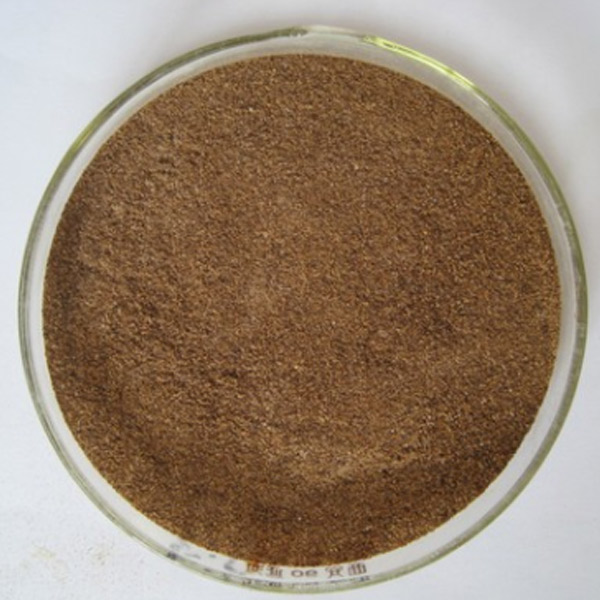
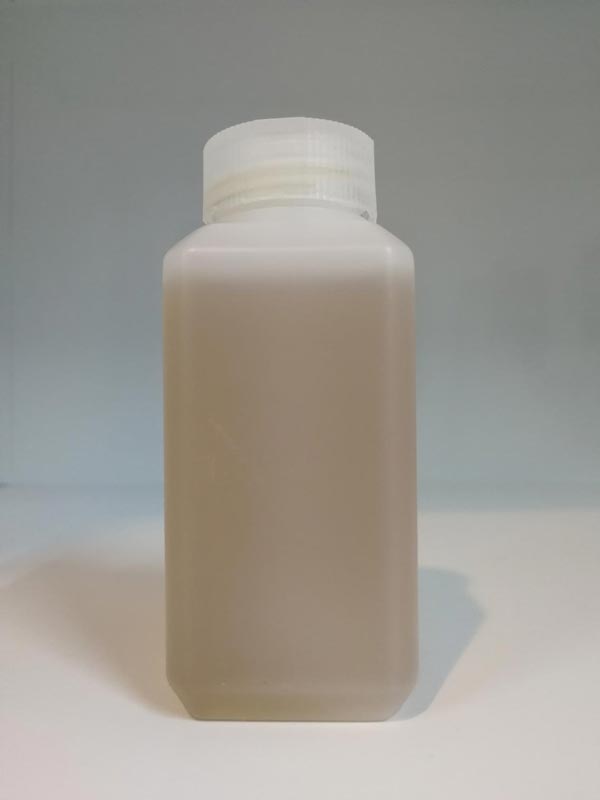
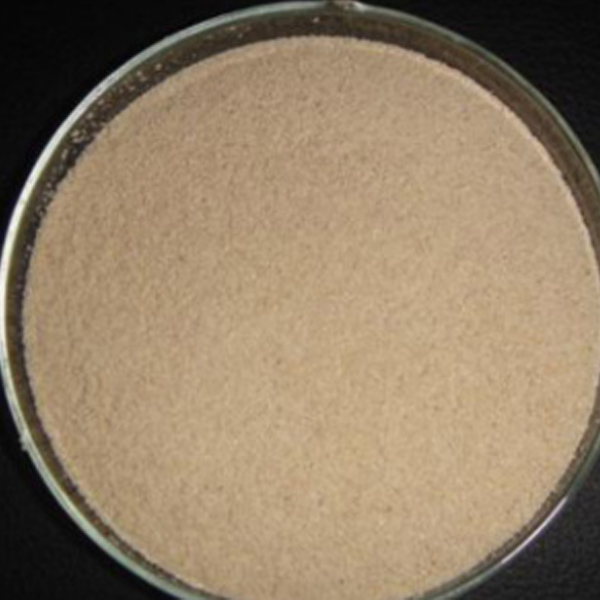
Acid Cellulase Enzyme (Powder)
Cellulase is refined by liquid-deep fermentation and after-treatment. Cellulase is a group of enzymes that degrade cellulose to produce glucose. It is composed of endoglucanase (EG), exoglucanase (CBH) and β -glucosidase (β -glucosidase). Cellulase is mainly used in food industry, animal feed industry, textile industry and dyestuff and chemical industry. For cellulase enzyme buy,please feel free to contact.
Product info
Definition of Enzyme Activity
Under the condition of pH 4.8 at 37 ℃, 1 μ mol reducing sugar is released every minute from the concentration of 5.0mg/ml carboxymethyl cellulose sodium solution, and the amount of enzyme required is a unit of enzyme activity, expressed as U.
Acid Cellulase Enzyme Appearance
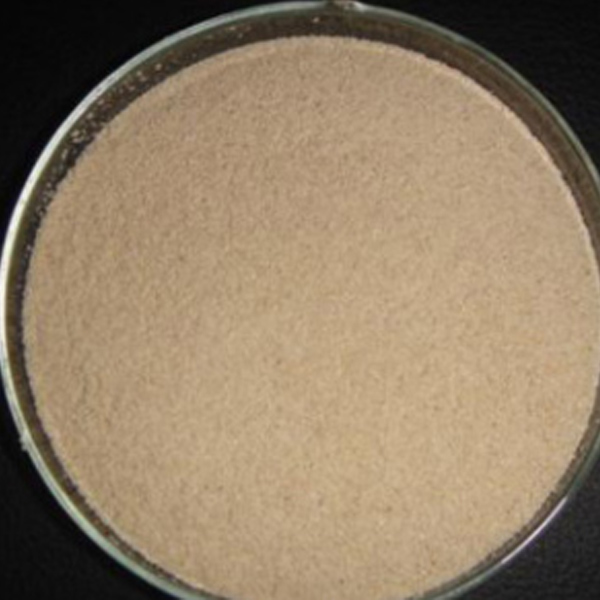
Powder: light yellow powder, good fluidity 40 mesh screening rate≥90%, dry weight loss ≤10%
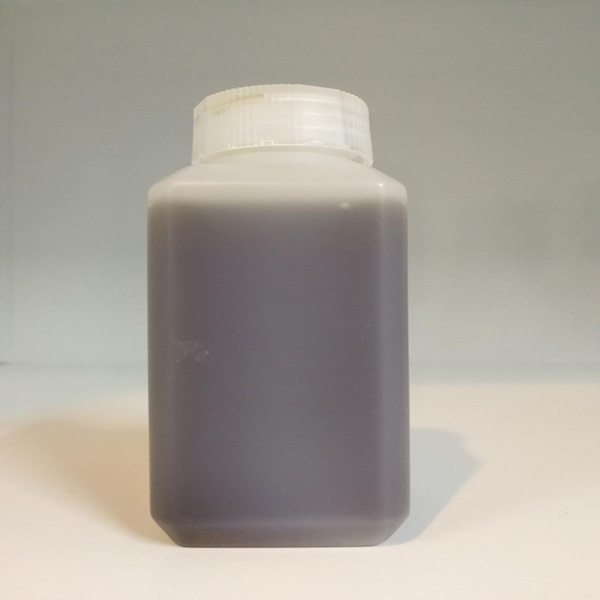
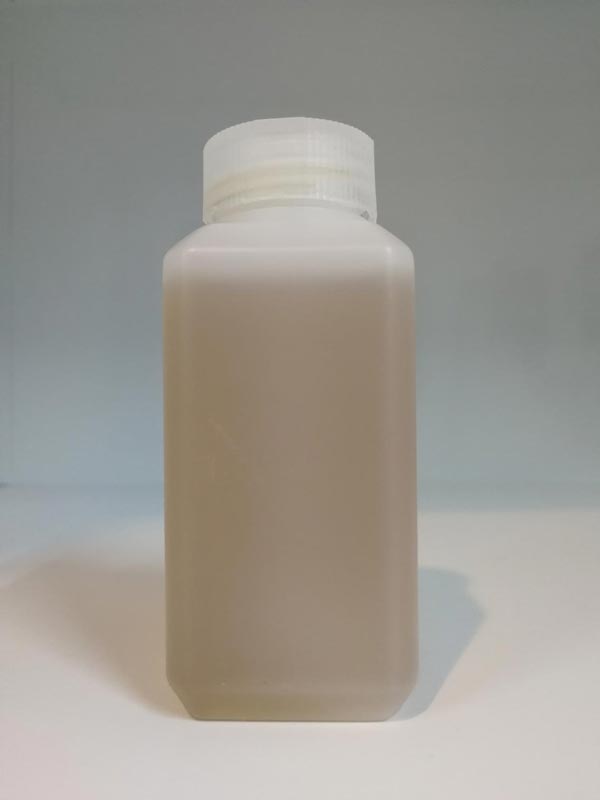
Liquid: Brown or light yellow liquid, density 1.1-1.2 g / ml
Acid Cellulase Enzyme Specification:
Liquid: 30 kg / barrel, 200kg / barrel, 1000kg / barrel
Powder: 25kg / bag
Enzyme activity: 10000U/g(mL),20000U/g(mL)
Special packaging specifications or enzyme activities can be customized according to customers' needs.
Acid Cellulase Enzyme Features
Advanced production technology: high enzyme activity, good stability and uniformity;
The synergistic effect of rich enzyme and dextran enzyme can better hydrolyze cellulose and reduce the effect of anti-nutrition.
The optimum range of pH is wide: the optimal range of pH is 4.0-8.0, which accords with the physiological characteristics of animal intestine;
h2 resistance: It is tolerant to protease, acid and granulation temperature, more suitable for using in feed.
Acid Cellulase Enzyme Efficacy
It can supplement the deficiency of Endogenous enzyme in feed processing and improve the Utilization ratio of multi-fiber feed. A part of the cellulose in the crude feed can be converted into nutrients that can be used by ruminants. It can increase the nutritional value of forage and enlarge the source of forage. It can raise the utilization rate of feed nutrition and reduce the nutritional level of Formula. It can improve the metabolic energy of feed, reduce the cost of formula and improve the quality of feed products.
Acid Cellulase Enzyme Usage
When this product is used, it should be mixed with a small amount of pre-mixed feed first, then amplified step by step, and then added to the feed.
Adjust the formula: Adding this product can reduce the amount of 50-100kcal/kg in the feed formula and reduce the formula cost.
Replacement of raw materials: adding this product can increase the usage of DDGS and bran in feed, and reduce the cost of feed.
Acid Cellulase Enzyme Note
1.Storage and transportation: This product is a bio-active substance. It can avoid exposure to rain, h2 light, high temperature and humidity during storage and transportation. It should be stored below 25 ℃and the labeled enzyme activity can be maintained for at least 6 months.
2.Note: This product is not combustible and can be safely mixed with water. Avoid contact with the body or inhalation of dry powder. Flush or accidentally contact with skin or eyes should be rinsed immediately.
As one of professional cellulase enzyme suppliers in China, Shingenzyme offer quality cellulase enzyme. Welcome to cellulase enzyme suppliers on shingenzymes.com.
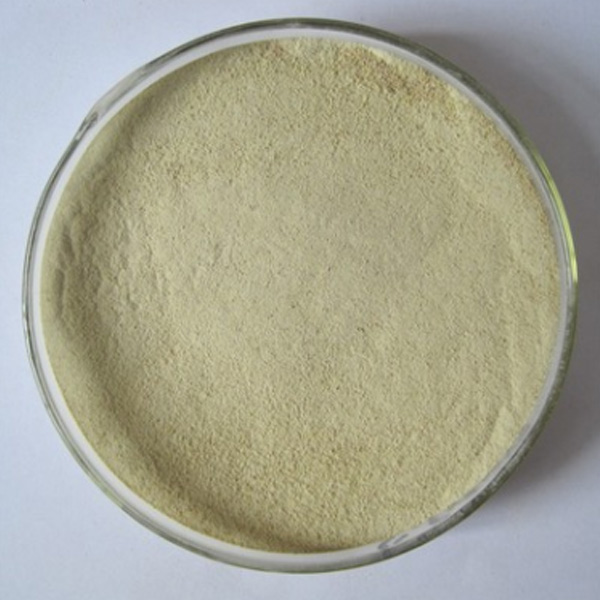
Alkaline Protease
Alkaline protease enzyme was extracted by liquid culture of Bacillus licheniformis NO.2709. This product is an enzyme preparation catalyzing protein hydrolysis under alkaline condition (PH during 9-12). It is suitable for industries such as enzymatic detergent, leather depilation, silk degumming, and protein hydrolysis.
Product info
Alkaline Protease Components
Acid protease, stabilizer, dispersant
Specifications/Physical and Chemical Characteristics of Alcalase
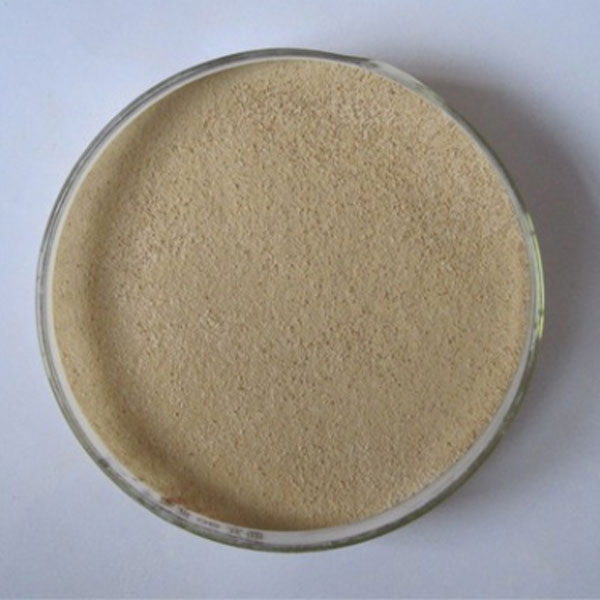
Appearance requirements: tan-brown powder preparation, with normal microbial fermentation product smell;
Enzyme activity: ≥80,000u/g;
The pH value of the alkaline protease uses: 9-12, and the optimum pH value is 9.0-10.5;
Effect of temperature: 40-45 ℃;
Effects of calcium ions: calcium, manganese ions have a protective activation of it, copper, mercury ions have an inhibition of it.
Definition of Enzyme Activity
Under the condition of 40 ℃ and pH 10.5, 1 g of solid powder enzyme hydrolyze casein within 1 minute to produce 1 mu g enzyme tyrosine as a unit.
Alkaline Protease Packing
Carton or non-toxic polyester bag packaging, 20kg/ bag (box); 25kg/ bag (box)
Alkaline Protease Storage
Store in a dry place with low temperature to avoid high temperature and humidity.
The Period of Validity
25 ℃, 6 months, you can keep the enzymatic activity 90% or higher.
Safety Matters
Enzymes are proteins that can cause allergies or allergic reactions in certain people. Prolonged contact may cause discomfort in the skin, eyes, and nasal mucosa. Therefore, any overflow, even a small overflow should be cleaned up in time. Wash the enzyme solution immediately on the skin or eyes with water and seek guidance from a specialist.
Looking for alkaline protease solution or alkaline protease application? Click shingenzymes.com!
Alpha Glucoamylase
Alpha Glucoamylase, also known as glycosylase. It is an efficient biological preparation made by liquid fermentation and purification of Aspergillus Niger introduced from the United States. It can be used in the saccharification process of beer brewing to improve fermentation degree and yield in the saccharification stage.
Product info
Alpha Glucoamylase Characteristics
The enzyme can hydrolyze the c-1, 4 bonds successively from the end of the starch chain, At the same time, starch can be slowly hydrolyzed into glucose by the bond 1,6. 1 ml of enzyme solution, which can hydrolyze soluble starch to produce 1mg glucose within 1 hour, is a unit of enzyme activity (u/ml).
Alpha Glucoamylase Operating Conditions
Temperature: pH value:
Optimum temperature range: 58 ℃ to 65 ℃; Optimum pH range: 4.0-6.0;
Effective temperature range: 55 ℃ to 70 ℃. Effective pH range: 3.0-6.5.
Alpha Glucoamylase Effect of Efficacy
Improve fermentation degree and improve the yield of the saccharification stage.
Specifications and Standards
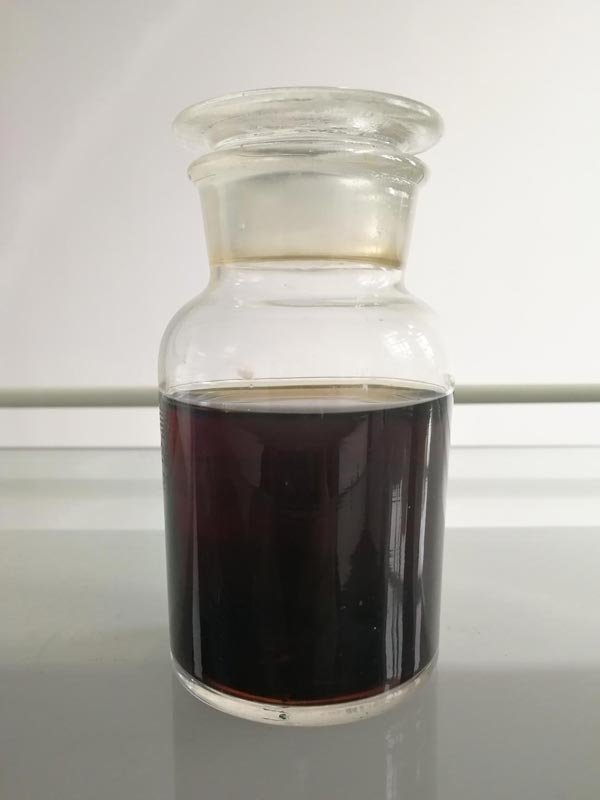
This product is a brown liquid preparation, decolorization, enzyme activity: more than 100 thousand u/ml, 150 thousand u/mL. This product carries out the national standard GB8276-2006. This product is in line with the relevant provisions of the national food safety standards GB2760-2011 and GB25594-2010.
Amount of Use
For saccharification, the recommended dosage is 200-400 ml/ton of raw material and is added at the beginning of saccharification. However, due to the differences in the composition of raw materials and process parameters, the optimal dosage of this product should be determined by the test of different dosage in the saccharification workshop.
Packaging and Storage
This product is packed in a non-toxic plastic drum, 30kg/ barrel. This product is a bioactive substance. It should be placed in a low temperature and dry place to avoid direct sunlight. Sun should be avoided during transportation.
Shelf Life
This product has a shelf life of 6 months under a low temperature below 15 degrees Celsius.
Glucoamylase for sale! Glucoamylase enzyme for sale! RFQ today!